
Typography has become one of the most powerful design trends in modern apparel. Across UK apparel brands and custom print stores, text-based designs are no longer secondary; they are the product itself. From minimalist streetwear to bold statement tees, typography ideas for t-shirts now drive both identity and sales.
Buyers are not just purchasing fabric. They are buying meaning, personality, and self-expression. This shift has made custom printing t-shirt typography one of the most profitable design directions for brand and event marketing. Typography t-shirts dominate custom apparel trends due to
- Strong emotional connection, people wear messages that reflect their identity
- Easy scalability, text-based designs are faster to produce and test
- Cross-niche adaptability works in fitness, streetwear fashion, and corporate branding
According to recent design trend insights, typography is now used as the main storytelling element, not just decoration.
The rise of print-on-demand in the UK has made it easier for small UK businesses to test typography-based collections without heavy upfront investment. Here are the best ideas for custom t-shirt printing.
1. Bold Statement Typography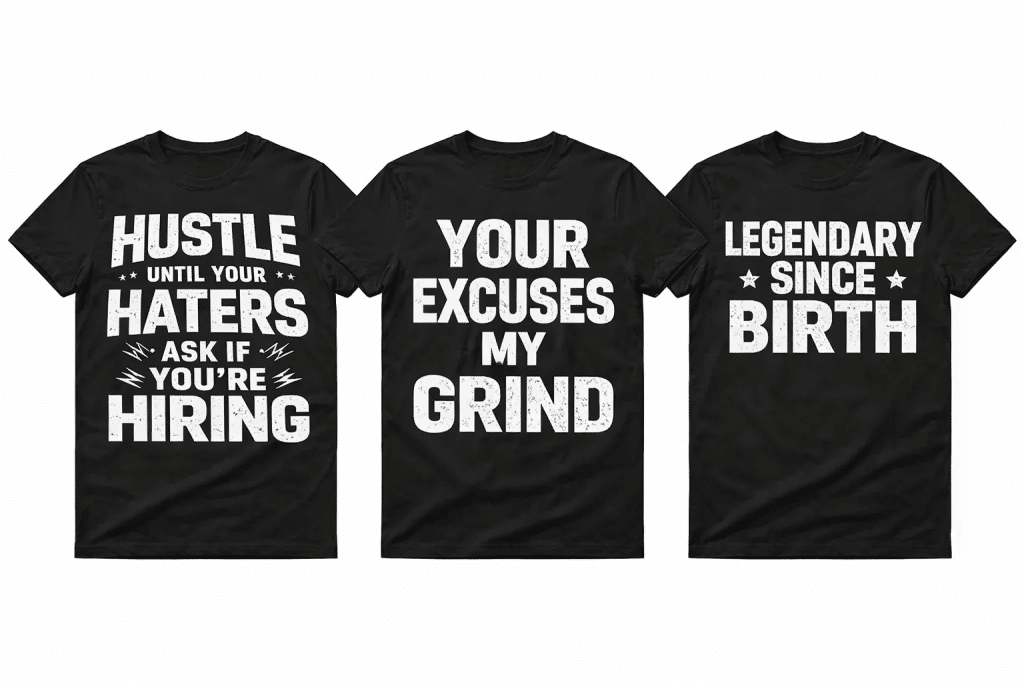
Best Use: Motivational quotes, brand slogans, streetwear fashion, and awareness campaigns
Bold statement typography is all about creating visual elements that attract instant viewer attention through its use of heavy, thick fonts. Designers use this style when they want their design message to achieve complete visibility from afar.
Designers create text that people can read easily by using uppercase letters combined with spaced letters and strong color contrasts. The style’s basic design elements maintain audience concentration on the primary message because it lacks disruptive elements.
2. Minimalist Typography
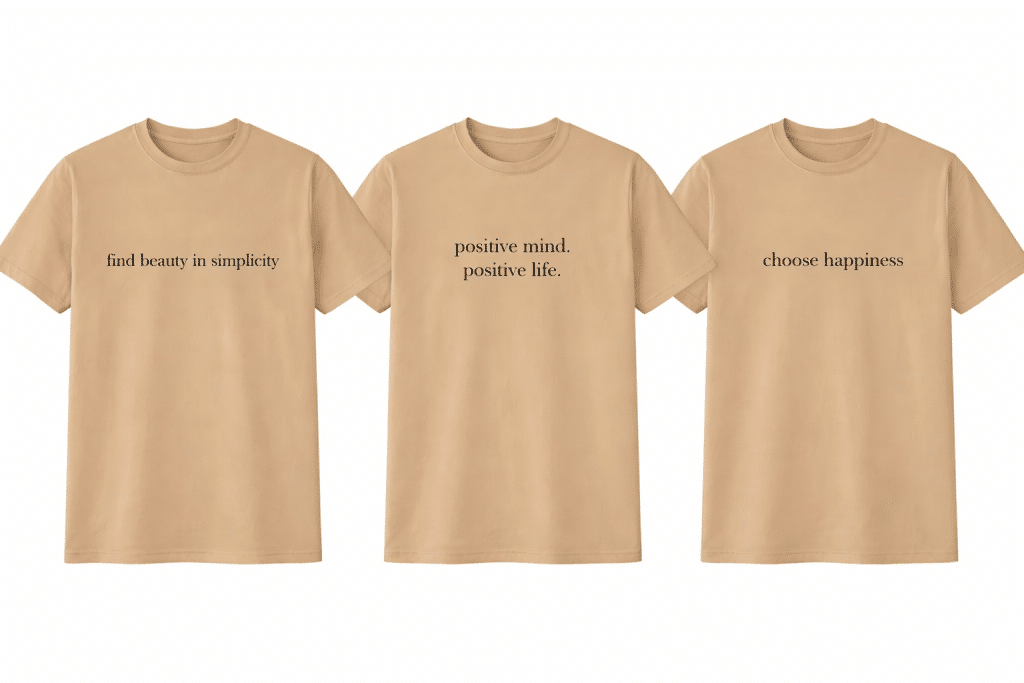
Best Use: Premium clothing brands, corporate apparel, lifestyle t-shirts, and aesthetic designs.
Minimalist typography focuses on three core design elements that carry clear information and simple structure. The design applies sans-serif fonts, which designers arrange and space to build a clean, modern look.
The design style uses white space and balanced composition to form a clean layout that preserves visual appeal without decorative elements adding extra effects. This method suits brands that aim to communicate a professional and refined identity clearly message tone.
Minimal typography works effectively in casual and high-end fashion because understated design builds a stronger impact than detailed design elements used across branding contexts today.
The design reaches its purpose through a lightweight, modern appearance that supports reading in print and digital formats clearly and smoothly.
3. Retro & Vintage Typography
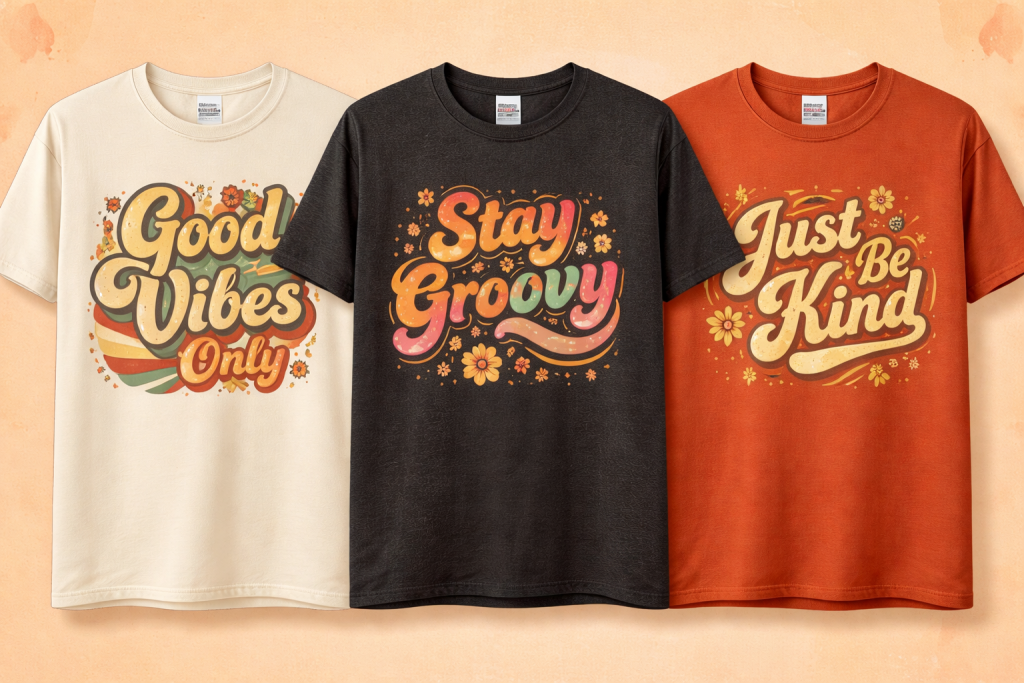
Best Use: Vintage clothing lines, music merchandise, retro-themed apparel, and casual fashion
Retro and vintage typography takes inspiration from past decades, such as the 70s, 80s, and 90s. The design elements of this style include curved fonts and bold serif styles together with textured effects, which produce a nostalgic atmosphere.
Vintage designs often use warm tones and distressed textures through their use of warm color palettes and gradients and distressed textures, which creates emotional responses from viewers.
Many fashion brands’ t-shirt designs that aim to create a nostalgic and distinctive identity choose this typography style as their preferred option. The design approach establishes a connection with people who value traditional visual elements and enduring design components.
Thematic collections, music merchandise, and lifestyle brands can achieve distinctive brand identities through the use of retro typography.
4. Handwritten & Script Fonts
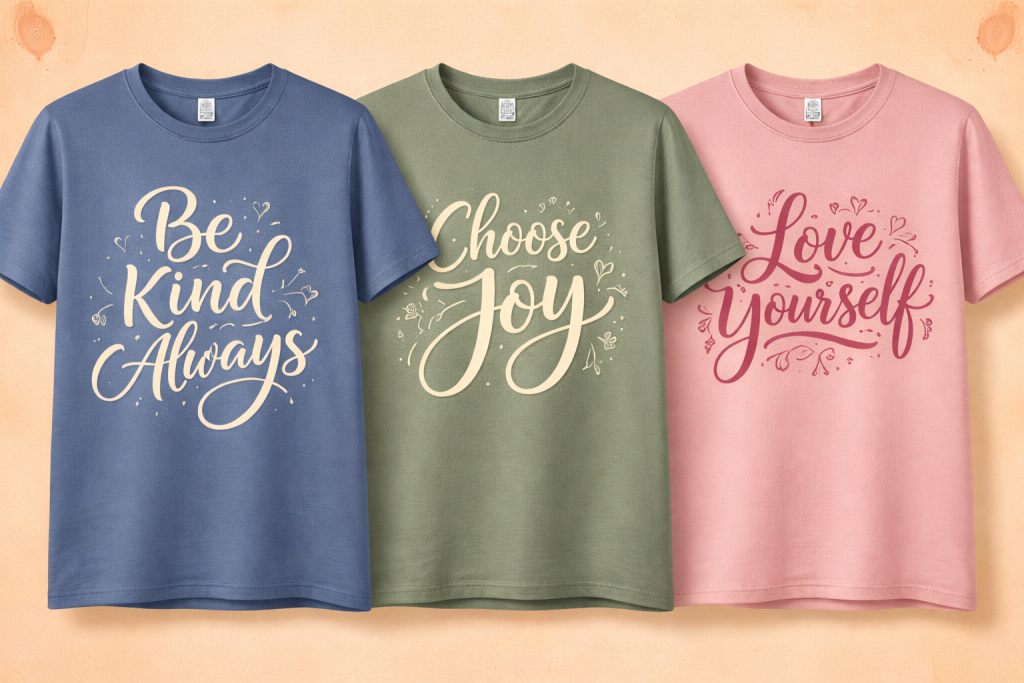
Best Use: Quotes, phrases, gift apparel, and feminine fashion
Handwritten typography that replicates authentic handwriting styles to create personal emotional connections with viewers. The flowing cursive elegance of script fonts makes them suitable for designing visual elements that need to show soft yet expressive qualities.
The fonts feature decorative strokes, which artistic designers use to create an enhanced artistic design aesthetic. This type of typography is commonly used for quotes, personalized messages, and gift items. The approach suits its purpose when the objective requires strong emotional connections with the audience.
Script typography adds a human touch to the design, which creates an intimate experience that showcases creative elements and visual appeal to fashion-forward audiences.
5. Grunge & Distressed Typography
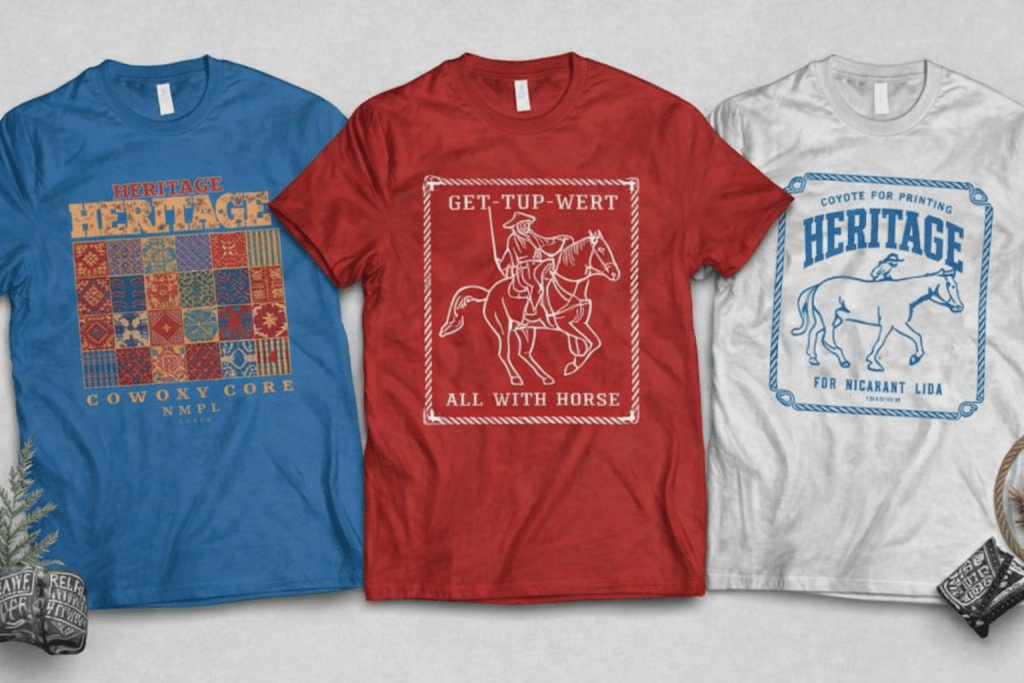
Best Use: Streetwear brands, rock and music merch, youth fashion, and bold statement apparel.
Grunge typography features a rough and edgy design that shows signs of damage and wear. This style distressed textures and uneven edges together with imperfect lettering to produce an unrefined yet rebellious design aesthetic. The typography uses dark colors and strong contrasts to establish a distinctive streetwear style.
This style stands out as a major fashion trend derived from alternative fashion and music-based merchandise. The design attracts people who enjoy distinctive, unconventional styles.
Grunge typography gives t-shirts their unique character and personal style, which creates an intense visual effect.
6. Funny & Playful Typography
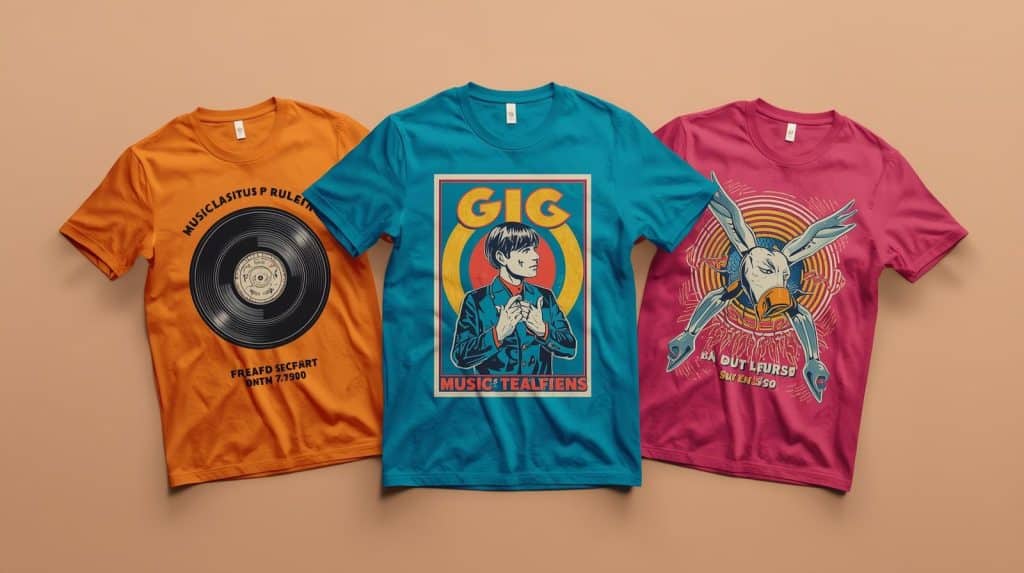
Best Use: Meme t-shirts, casual wear, youth-focused designs, and gift apparel
Funny typography combines humor and creativity to craft designs that keep people entertained. The design uses creative fonts together with nonstandard spacing and humorous text arrangements to create comedic effects. This approach uses dynamic layouts that match the message’s emotional tone.
This design style is widely used for meme-based t-shirts and casual clothing markets. The content can be easily shared because it connects well with audiences who are younger than 30.
Through humorous elements, their funny typography enables brands to establish emotional ties with customers who use their t-shirts as both fashion items and discussion starters.
7. Luxury & Elegant Typography
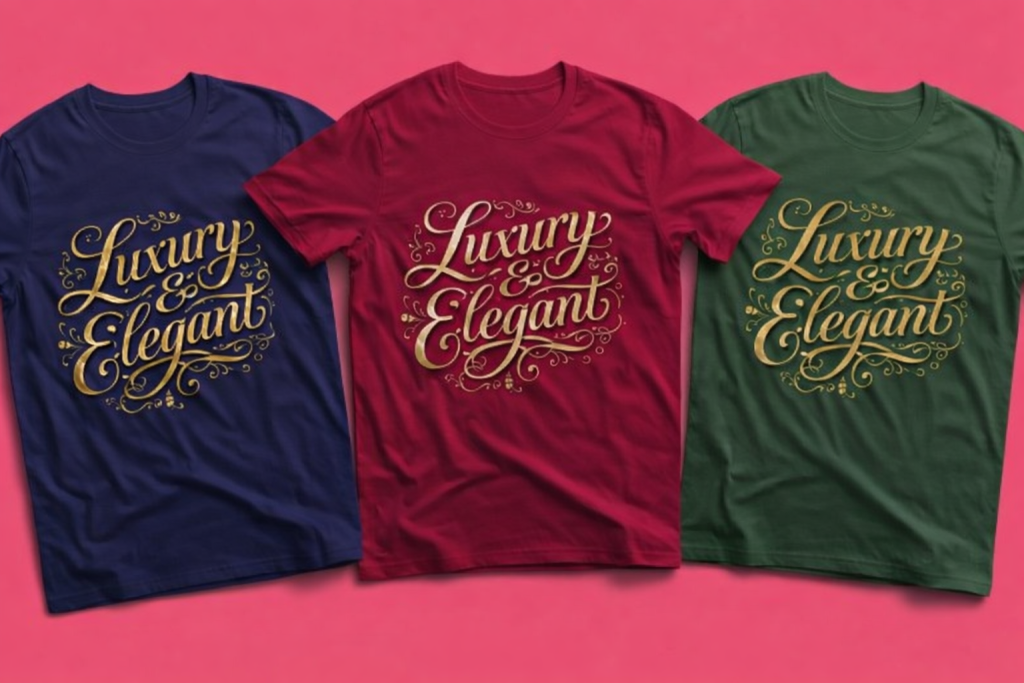
Best Use: Luxury fashion brands, high-end merchandise, formal apparel, and premium collections
Luxury typography conveys elegance and sophistication through its minimalistic design. It works best for serif fonts that combine extremely thin lines with broad letter spacing and precisely arranged elements. The design displays a basic aesthetic yet maintains an upscale appearance through its refined elements.
This typography serves as the perfect choice for brands that seek to establish themselves as high-end, exclusive entities. Fashion labels and premium merchandise use the design system to create subtle elements that show their high-quality status and elite brand image.
The entire design presents a clean appearance that achieves both balanced symmetry and enduring elegance.
8. Layered Typography
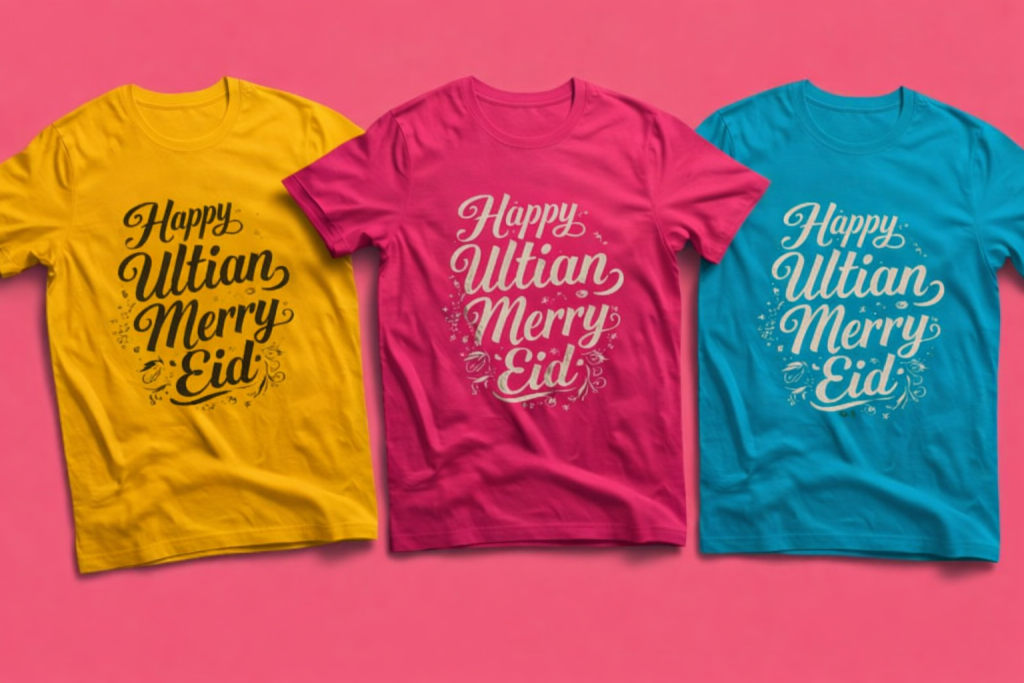
Best Use: Creative brands, artistic designs, streetwear fashion, and experimental typography
Layered typography creates visual depth through stacked text elements, which designers combine to achieve complex visual effects. Designers create dynamic designs through the use of overlapping letters and shadow effects, together with different color variations.
This particular style works best for artistic t-shirt designs for bands that require visual depth to enhance their overall attractiveness. Designers use this technique to create visually appealing designs that show depth through multiple design elements.
9. Typography with Shapes
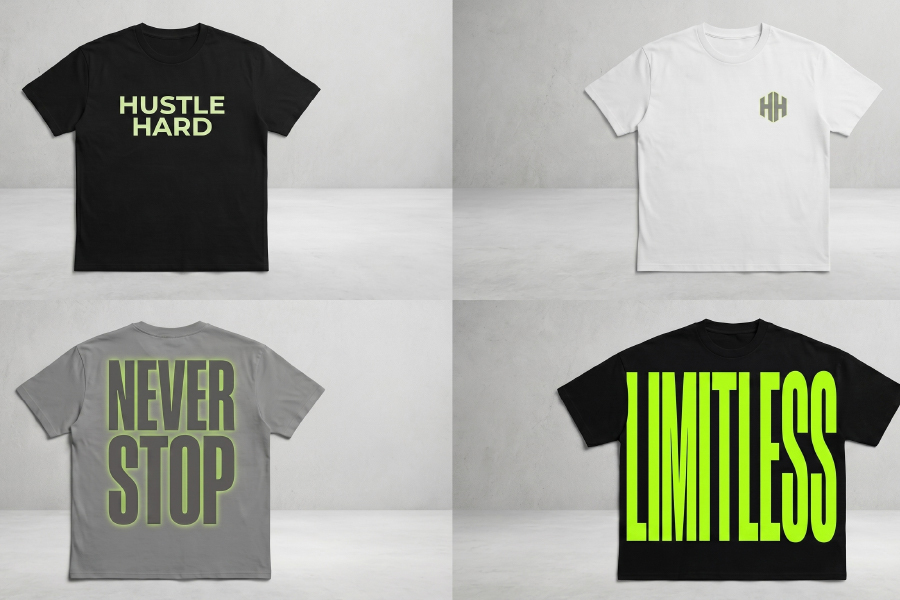
Best Use: Brand logos, event merchandise, promotional apparel, and identity designs
This particular typography style integrates text within geometric shapes such as circles, rectangles, or badges. The system creates an organized layout that helps readers to understand the content more easily while providing attractive visual elements.
The shapes create visual boundaries that transform the text into a design that resembles a logo. In branding and promotional designs, this approach is often used where clarity and structure are important.
The design approach successfully applies to logos, event t-shirts, and identity-based designs, which require typography to maintain balanced containment within specific areas.
10. Gradient Typography
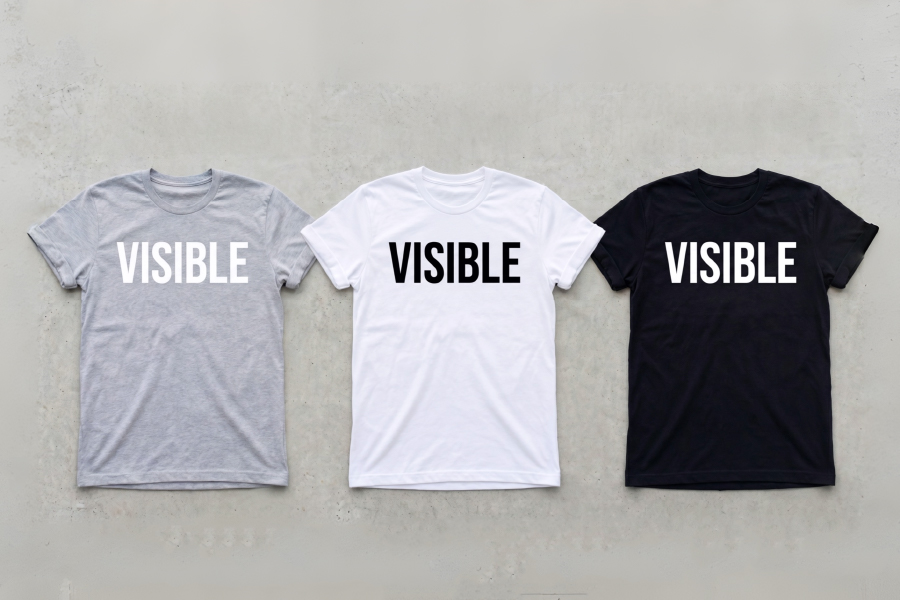
Best Use: Youth fashion, trendy apparel, digital-inspired designs, and social media merchandise
Gradient typography creates a contemporary visual effect through its use of smooth color transitions that flow throughout the text. The design uses gradients to combine different color shades, which create visual depth and dynamic movement.
The design style takes its main inspiration from current digital design trends and contemporary branding design styles. The fashion product effectively attracts younger customers through its visually appealing design elements.
Trend-based collections require gradient typography because they need bold colors and modern visuals to achieve rapid audience attraction.
11. 3D Typography
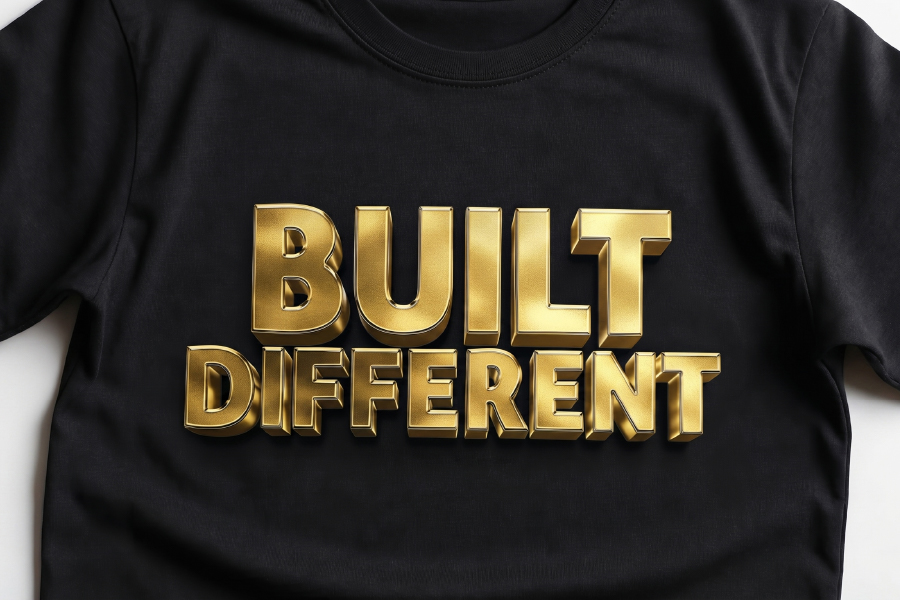
Best Use: Gaming apparel, tech brands, futuristic designs, and bold campaigns
By using shadows, perspective, and lighting effects, 3D typography creates textual depth. The letters appear as if they are physically raised or floating, which creates a visually immersive experience. The design element creates a more powerful effect, which results in a more animated appearance.
Designers use this typography style to create designs that depict futuristic concepts, gaming elements, and technological components. The combination of these elements produces a powerful visual effect that becomes more noticeable on t-shirts when paired with glowing elements and high contrast designs.
12. Mixed Font Typography
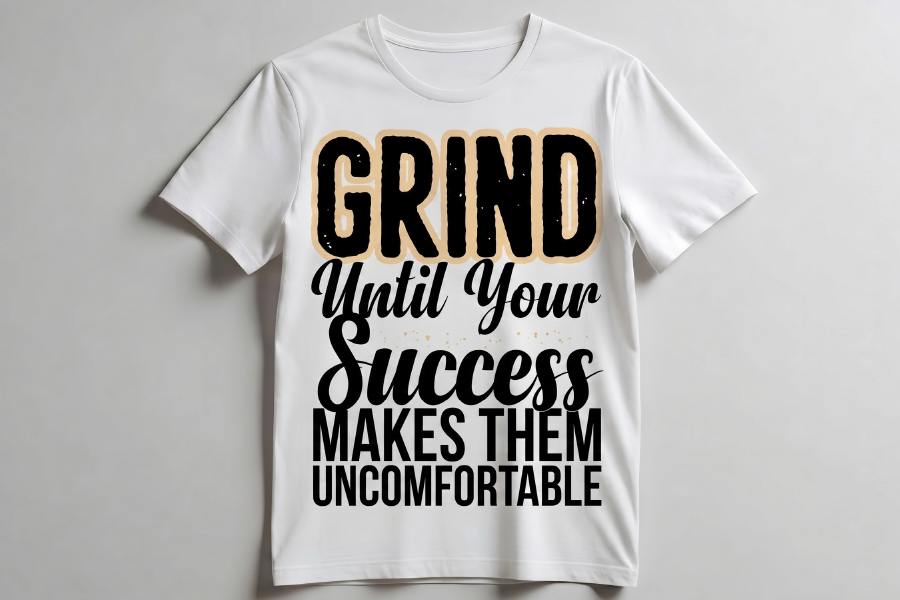
Best Use: Quotes and slogans, branding designs, creative merchandise, and promotional apparel
Mixed font typography creates visual contrasts through its combination of multiple font styles, which designers use to establish different design elements. The combination of a bold font with a script font enables designers to showcase particular words while maintaining visual equilibrium.
The method enhances reading comprehension while introducing artistic elements to the text. This particular style is often used in quote-based designs where emphasis is required on certain words.
Designers create visual structure through their use of multiple font styles, which directs the viewer’s focus while enhancing design appeal.
How to Choose the Right Typography Style for Your Brand
The right typography is not just about looks; it directly impacts how customers perceive your brand and how well your message performs on apparel.
1. Match Typography with Target Audience
Your audience should guide every design decision. Streetwear fashion often uses bold or graffiti-inspired fonts, while corporate or minimal brands prefer clean layouts. Typography should reflect lifestyle, not just style.
2. Choose Fonts Based on Emotion (Serif vs Sans vs Script)
Fonts communicate feeling as much as words do. Serif fonts build trust and tradition, script fonts feel personal and expressive, while sans-serif fonts create a modern and clean impression. The right font choice strengthens your message and improves connection with buyers.
3. Focus on Readability & Placement
Even the best design fails if it cannot be read quickly. Typography must be clear from a distance, as most viewers see shirts while moving. Proper kerning & spacing, balanced layout, and correct print placement improve clarity and visual hierarchy.
Build Your Custom Typography T-Shirt Collection
If you want to turn these ideas into real products:
- Use premium fabrics for a better feel
- Experiment with custom fonts
- Offer both bulk and small orders
A reliable partner can help bring your typography vision to life with high-quality screen printing and DTF. For businesses, choosing the right printing partner is critical. The T-Shirt Man UK supports custom printed shirts, text design, fast UK delivery, and bulk printing orders.
Launching a brand or scaling an existing store, working with a professional service ensures consistency and quality.
FAQs
What font size is ideal for T-shirt typography?
The font should be large enough to be seen from a distance, especially for chest and back printing.
Can I mix uppercase and lowercase letters in T-shirt designs?
Yes, but maintaining consistency is also important. All caps are going to bold designs pretty well, while mixed case format ships casual kinds of characters beautifully.
Should typography always match the brand style?
Yes, typography should align with the brand’s identity, tone, and target audience to maintain consistency and recognition.
How to Turn Typography Ideas into Best-Selling Custom T-Shirts
Turn typography ideas into best-sellers by testing designs with print-on-demand, focusing on niche messaging, using strong font pairing, and ensuring readability, clear, and emotional text designs consistently outperform complex visuals.
Conclusion
Typography works best when it is designed for print impact, simple, readable, and strong enough to stand out on fabric.
For UK ecommerce brands, start small: launch 3–5 designs using print-on-demand, track what sells, then scale. Prioritise niche messaging over generic quotes, and always check readability from a distance.
Most importantly, treat typography as your product, not just design. When the message connects, the shirt sells.

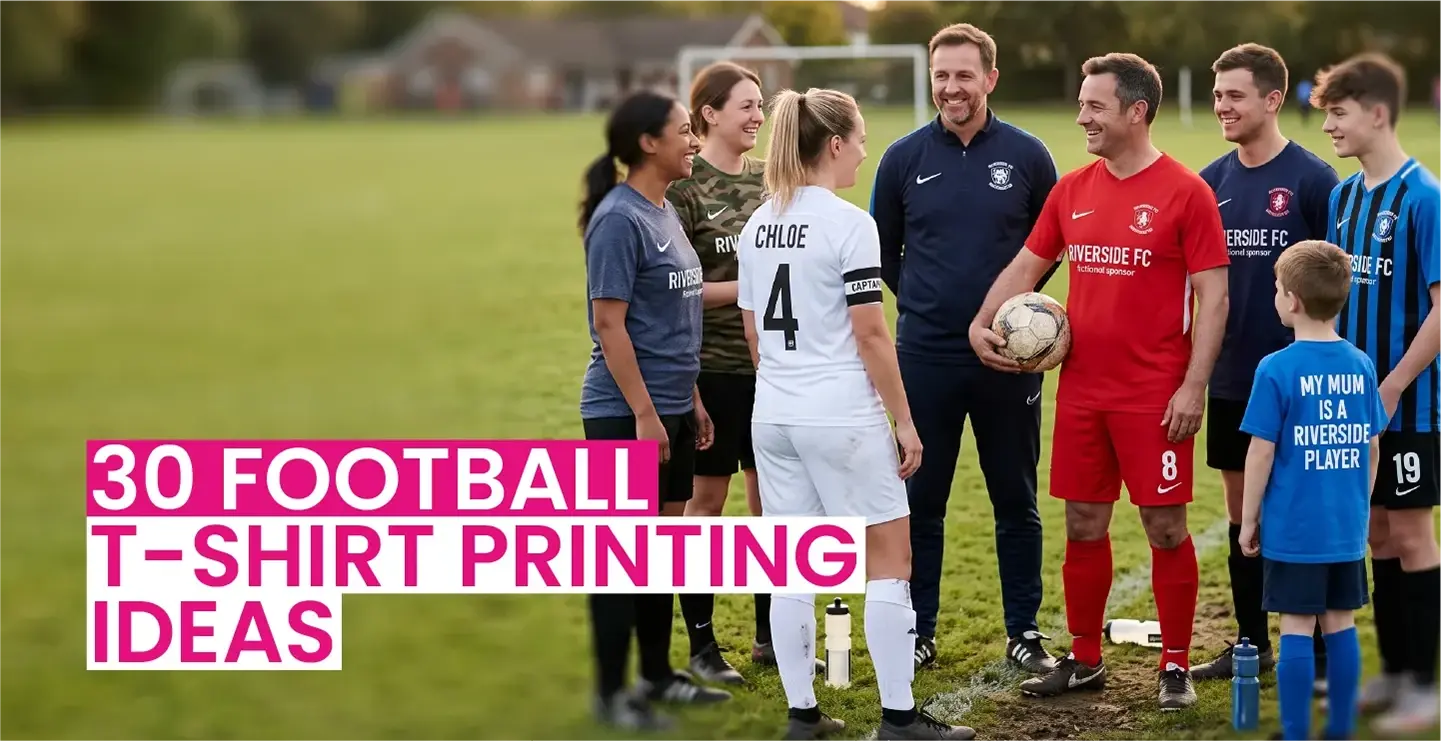
30 Football T-Shirt Printing Ideas for Teams, Clubs and Fans
There's more than one way to get a name, number or crest onto a football shirt. Some teams use heat vinyl, others screen printing, DTG or embroidery, depending on budget and how many shirts they need. It's a process used across grassroots football, five-a-side leagues, school teams and among supporters...
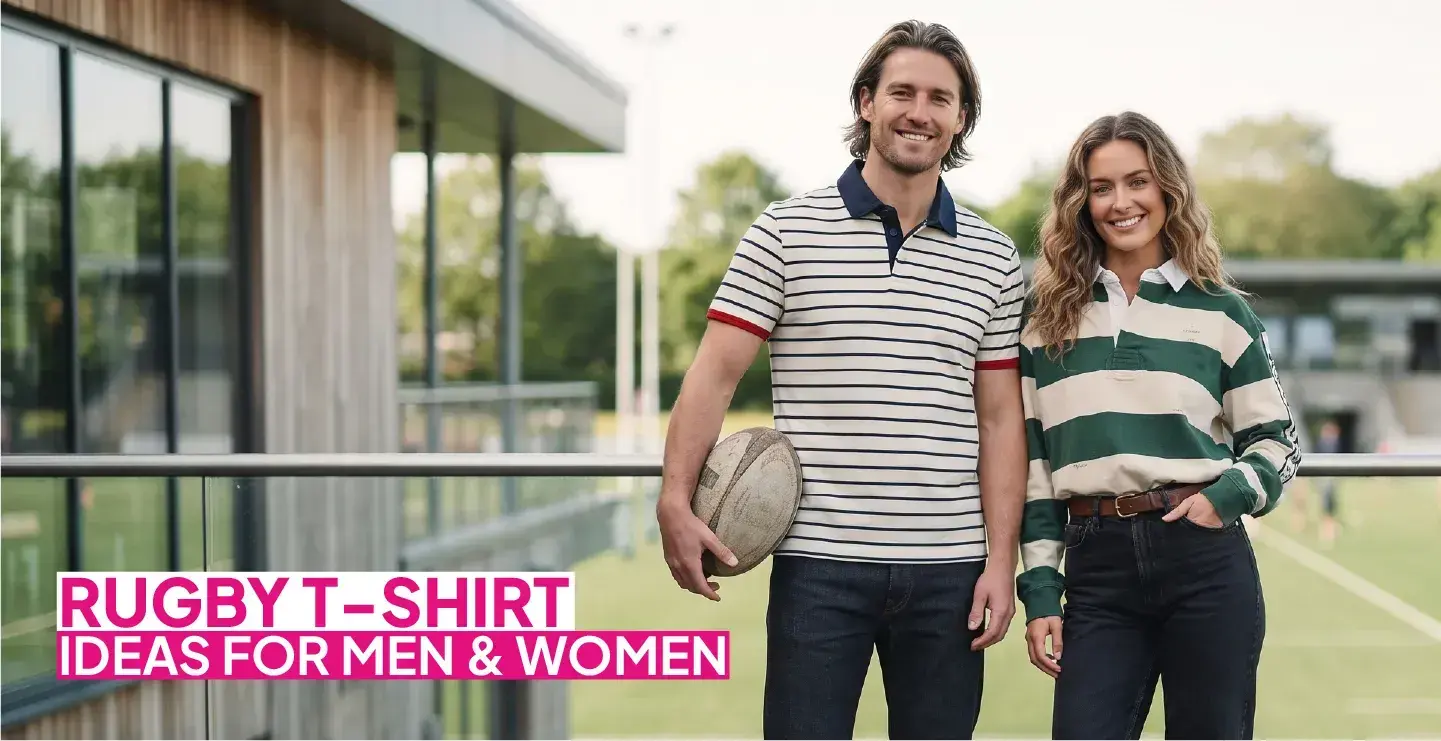
45 Rugby T-Shirt Ideas for Men and Women: Club, Tour, and Supporter Designs
Rugby T-shirt ideas generally fall into five practical categories: club identity, tour and social events, position and player humour, supporter and matchday wear, and charity or fundraiser designs. Whether you're ordering shirts for a local rugby club, university society, touring squad, or community event, choosing the right design helps create...
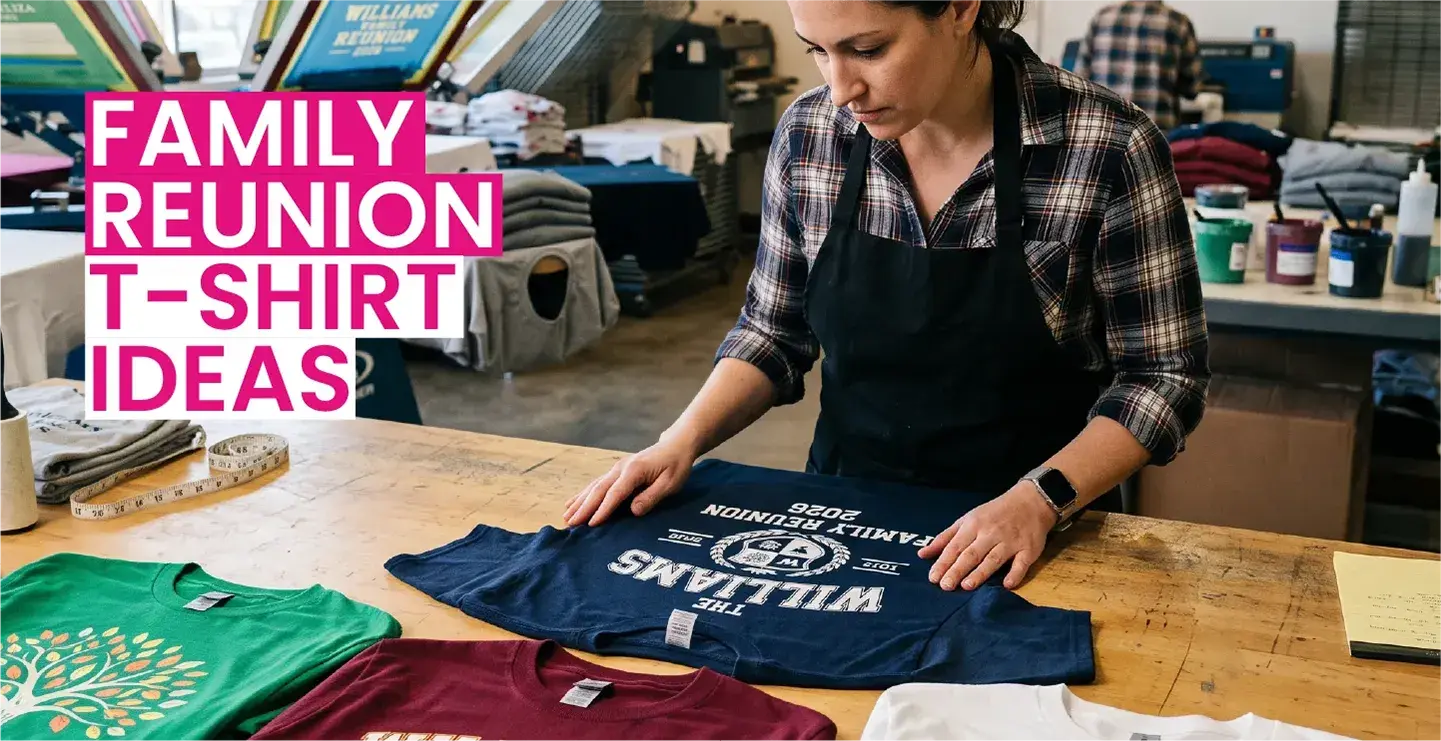
Family Reunion T-Shirt Ideas: 35 Designs Your Whole Family Will Wear
Organising a family reunion usually means one person ends up sorting the T-shirts, too. The best family reunion T-shirt ideas keep things simple by combining three essentials: your family surname, the reunion year, and a design that reflects your family's story on a shirt people will happily wear again. The most...
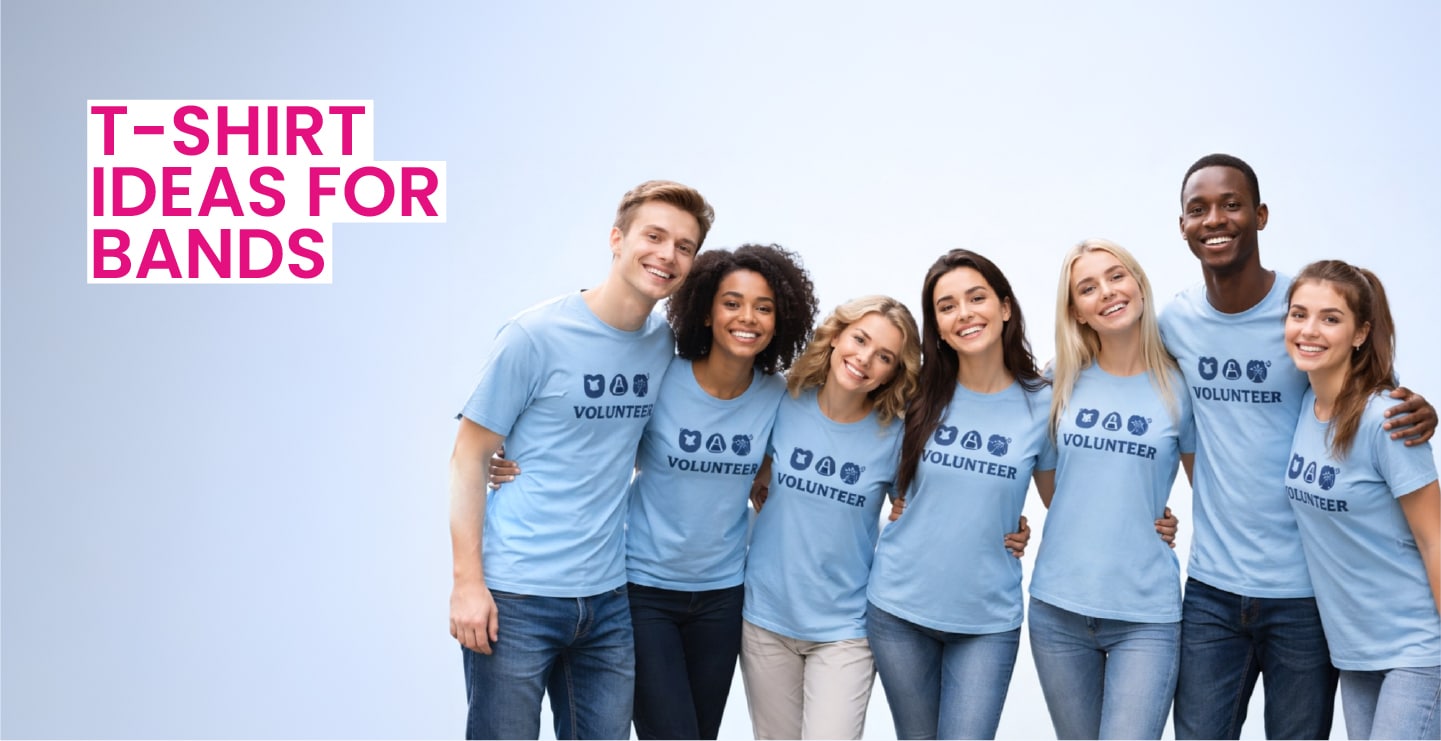
45 Band T-Shirt Design Ideas for Merch, Concerts, School Bands and Tours
Band t-shirt designs are identity pieces that fans, performers, and communities proudly wear. From bold logo prints to minimalist typography, today’s t-shirt ideas offer endless creative directions for bands and merch creators in the UK. For gigs, school bands, event marketing, or tour merch, the right design can...

20+ T-Shirt Design Ideas to Inspire Your Brand & Personal Style 2026
In the UK fashion‑driven market, customised apparel has become more than just clothing, but it’s a powerful tool for emotional connection through visuals, marketing ideas, and even teamwear & event marketing. Building your clothing brand, hosting a big event, or simply creating personalised gifts, fantastic ideas for...

Top 19 Corporate Gift Ideas for Clients and Employees in 2026
Corporate gifts are more than branded items. They are a strategic way to strengthen business relationships, increase brand awareness, and improve employee loyalty and morale. In 2026, the most effective corporate gifts are practical, meaningful, and genuinely useful. A standout gift can: Enhance business relations with a sense of sincerity. ...

Marketing Ideas for Small Businesses That Work Beyond Paid Ads
Small businesses across the UK face a familiar challenge: staying visible without pouring money into ads that stop working the moment the budget runs out. The current digital landscape requires marketing ideas for small businesses that provide consistent visibility at an affordable cost. Growing businesses depend on digital marketing, yet they need...

40th Birthday T-Shirt Ideas: Fun, Creative & Personalised Designs
Turning 40 is a big one, so why not celebrate with a bit of fun humour, nostalgia, and your very own personal style to stand out at all the UK party celebrations! That's why 40th birthday t-shirt ideas have taken on as a trend for celebrating the special day. Custom and personalised birthday...

Funny vs Stylish Birthday T-Shirt Ideas for All Ages
Birthday parties have changed a lot over the years, but one thing that never goes out of style is making the day feel personal. That’s exactly why personalised birthday T-shirts have become such a popular choice across the UK. These custom birthday tees not only make your birthday party outfits stand...

Event Marketing Ideas for 2026 That Boost Engagement and Brand Awareness
In 2026, event marketing stands as a key component in experiential marketing strategies, mixing live brand activation, personal engagement, and promotional items to create an indelible mark of the brand in the consumers' memory. Event marketing is effective since people give preference to experiences rather than advertisements. Besides, customers who meet...
